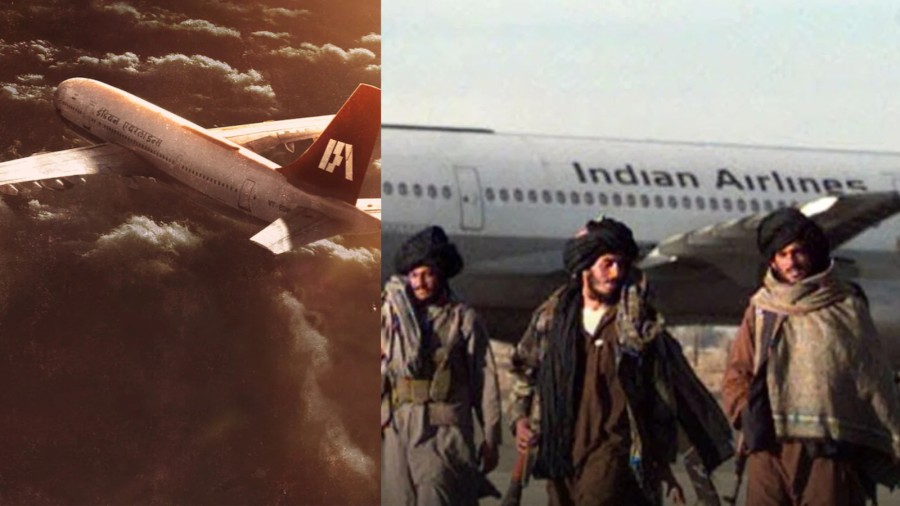

The five IC 814 hijackers' first demands were the body of a terrorist buried six months prior. Sajjad Afghani, the terrorist whose body they demanded, was slain in Jammu in June 1999. Afghani, who was she?
"Really respond to our inquiries. Try to read the paper that was thrown out of the plane while keeping your sentences brief. This flight, Indian Airlines IC 814, was taken over and headed for Kandahar. Requests from the hijackers had reached the Indian negotiators. Only then, they declared, would they release the prisoners. Originally, they wanted the release of 36 terrorists, $200 million (about Rs. 860 crore), and "the coffin of martyr" Sajjad Afghani.
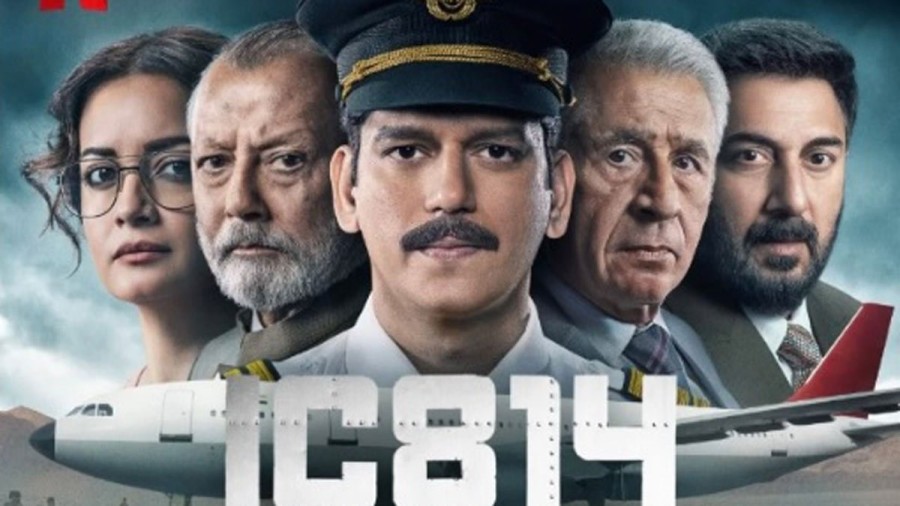
'IC 814: The Kandahar Hijack', a Netflix series directed by Anubhav Sinha, has brought the 1999 hostage crisis back into prominence, bringing the hijacking of IC 814 back into the spotlight. Naseeruddin Shah, Vijay Varma, and Pankaj Kapur are in the lead roles. The show is an adaptation of the 2000 book "Flight into Fear" by Captain Devi Sharan.
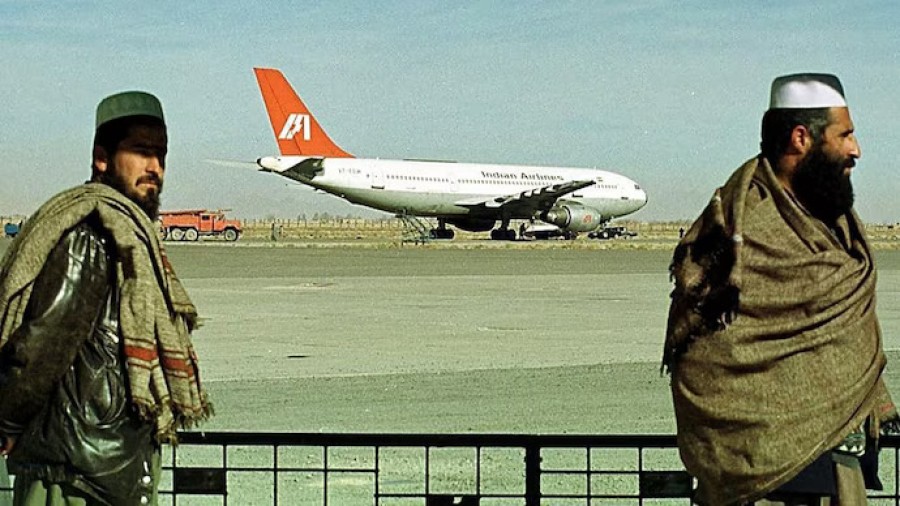
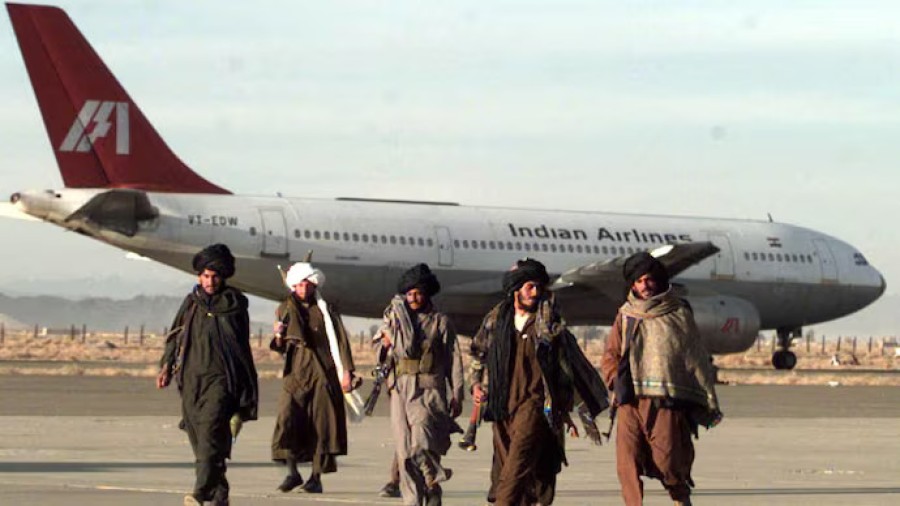
The hijackers utilized the aircraft's VHS set and walkie-talkies, which were provided by Air Traffic Controller (ATC) Kandahar, to communicate with the Indian authorities.
The coffin demand elevated the status of Taliban hardliners, who began to put pressure on the hijackers to renounce their demands.
Shura, the Supreme Council of the Taliban, stepped in and convened a meeting. It concluded that the hijackers' demand for money was improper and should be turned down in the end. The Taliban leaders threatened to have the hijackers evacuate Kandahar if they didn't comply.
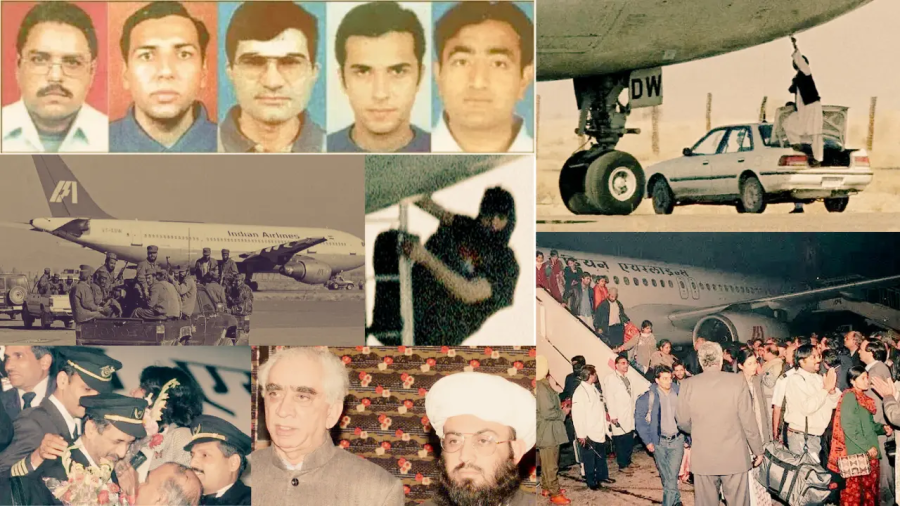
Most of the original demands were dropped, and in the end, India exchanged three terrorists for every passenger on IC 814.
All of this comes after tense conversations at the Kandahar airport.
In 1999, the Taliban ruled Afghanistan, just as they do today.
According to Anil K.'s book "IC 814 Hijacked: The Inside Story,"Jaggia and Saurabh Shukla, Taliban head Mullah Omar requested that his foreign minister, Wakil Ahmed Muttawakil, continue the negotiations and communicate with the chief hijacker for half an hour.
The terrorist was who? WHAT MADE HIM DESIRABLE?
Sajjad Afghani rose to the position of Commander in Chief within the terrorist group Harkat-ul-Ansar in Srinagar in 1991.
He was taken into custody by the Indian Border Security Force (BSF) in June 1994 together with terrorist Masood Azhar, who was the general secretary of the terror group Harkat-ul-Ansar at the time.
Afghani was tough and fragile-looking; he had even fought the Russians. He was dubbed the "biggest catch" by Brigadier General Staff (BGS) at the time, Lt Gen Arjun Ray.
The Harkat-ul-Mujahideen joined forces with the terrorist organization Harkat-ul-Jehad-al-Islami (HuJI) in 1993 to become the Harkat-ul-Ansar (HuA). This was Pakistan's cunning plan to stir up more instability and bloodshed in Jammu and Kashmir.
Three of the leaders were taken into custody by Indian security services after they foiled that plan.
The leader of the former Harkat-ul Mujahideen, Nasrullah Mansur Langrayal, was first arrested in November 1993. Azhar of Harkat-ul-Ansar and Sajjad Afghani, the head of the group's J&K unit, were taken into custody in Srinagar in March 1994.
Chief commander of Harkat-ul-Ansar Sajjad Afghani was detained at Jammu's Kotbalwal Jail, a maximum-security facility.
On July 15, 1999, he was shot and killed in an attempt to escape out of jail.
IN A PRISON CELL, SAJJAD AFGHANI DUG A 23-FOOT-LONG TUNNEL
Inside his jail cell, Sajjad Afghani constructed a 23-foot-long tunnel. Maybe he could have escaped with the other terrorists if he had dug a little bit deeper.
However, the guards apprehended them, and 11 inmates—including an Afghani—were murdered.
That was July 1999. Five months later, in December 1999, IC 814, scheduled to depart from Kathmandu for Delhi, was hijacked by five terrorists.
The pilot was requested to reroute the aircraft to Kandahar, Afghanistan, by the hijackers, Harkat-ul-Mujahideen.
The aircraft, carrying 175 passengers, was denied permission to land at Lahore, therefore it was forced to land at Amritsar. Then, because there was no night-landing facility in Kabul, the hijackers attempted to land it there but were unsuccessful. Then, IC 814 was flown to Dubai, where it was refueled, 26 passengers were freed, and the body of the pilot killed by a hijacker, Rupin Katyal, was also released. The passengers were held captive for a week in Kandahar, Afghanistan, once it was finally transported there.
Jaish-e-Mohammed, which Masood Azhar established, was responsible for the assaults on the Indian Parliament in 2001, the Mumbai attacks in 2008, and the Pulwama incident in 2019 that claimed the lives of forty security personnel. American journalist Daniel Pearl was abducted and killed, and Ahmed Omar Saeed Sheikh was taken into custody for both crimes.
The three terrorists were apprehended by the hijackers, but their goal of obtaining Sajjad Afghani's coffin was not accomplished.
© 2026 Bharati News | All Right Reserved